


Trans women should be removed from the Selective Service database. Republicans and Democrats arrive at this conclusion from opposite directions—which makes it a rare opportunity to end one culture war battle and actually get something done.
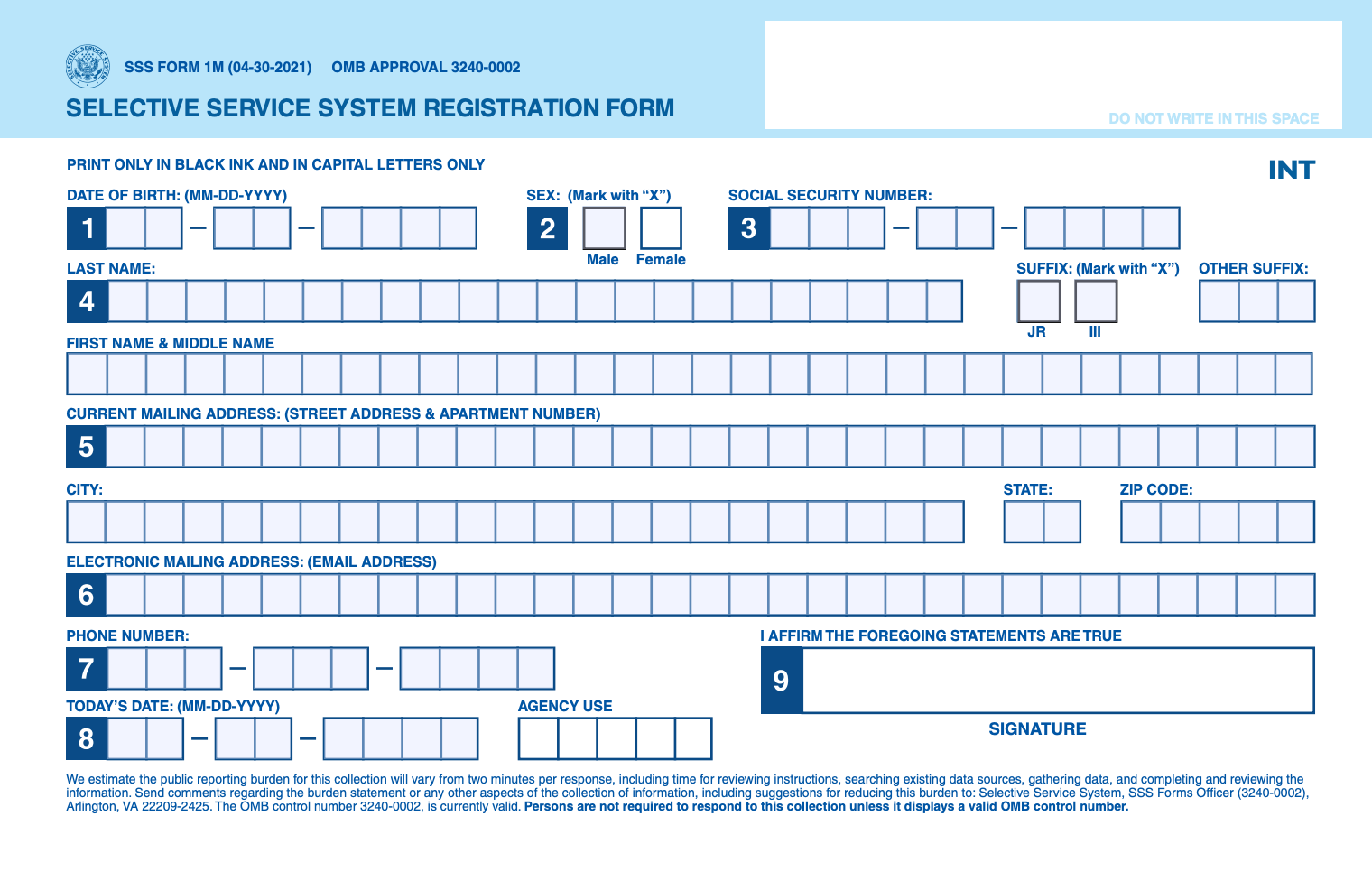
In February, the Department of Defense declared gender dysphoria “incompatible with military service.” Trans service members are being discharged, new enlistments are banned, and the Pentagon now treats gender dysphoria as a disqualifying psychiatric condition—on par with schizophrenia or severe depression. Yet the Selective Service database still tracks trans women as part of the conscription pool, listing them alongside every other person assigned male at birth between 18 and 25.
The Republican logic is simple: if the government has deemed trans people ineligible to serve, there’s no reason to keep them in a database of potential draftees. People with other disqualifying conditions aren’t tracked just in case. The administration’s own ban creates the rationale for removal.
Democrats arrive at the same destination differently. If trans women are women, they shouldn’t be in a registry of men eligible for conscription—women aren’t required to register with Selective Service. Keeping trans women in the system means the federal government is officially categorizing them as male for one of the most significant civic obligations that exists. Removal isn’t a concession to the right; it’s what the left’s own position requires.
The current system helps no one. The Selective Service website says trans women with updated legal documents can claim an exemption if a draft is reinstated—but their records remain in the database. Trans women who haven’t been able to update their documents have no clear path at all. Every interaction with federal systems—student aid, government jobs, citizenship applications—runs through a registry that may list them under a deadname, in a category that doesn’t fit. Worse, a federal database tracking trans women by assigned sex at birth, linked to Social Security records, is a tool that could be weaponized. This administration has already moved to revoke passports and strip veterans of benefits. A ready-made registry is a persecution risk waiting to be exploited.
The objections don’t hold up. Faking a gender dysphoria diagnosis to dodge a hypothetical draft would require extensive psychiatric evaluation—multiple sessions, documented history of at least six months, demonstrated clinical distress. That’s a higher bar than conscientious objector status. And “special treatment” gets it backwards: this is the same exemption logic the military applies to every other disqualifying condition.
The culture war over trans issues keeps producing fights that don’t need to exist. Sex markers on passports weren’t added until 1977 and were never about security—we could remove them entirely. The panic over detransition could be addressed by covering fertility preservation, giving people options instead of taking them away. In each case, both sides can get something they want if anyone is willing to take the off-ramp.
Trans people should be able to serve in the military. The ban is ideology, not policy, and reversing it should be a Democratic priority. But the Trump administration has handed us something useful: their own rationale for removing trans women from a system they never belonged in. Republicans say trans people are unfit to serve. Democrats say trans women are women. Let this be one less thing to fight about.
I recently left my position at Media Matters to pursue other projects. Stories like this one take time to report and write. If you find this work valuable, please consider becoming a paid subscriber. Independent trans journalists are one of the only reliable sources of information about what’s actually happening to our community—and we can only keep doing this with your support.
Brilliant framing on finding the off-ramp both sides can actually take. The database continuity issue is something I hadnt thought much about until recently, but the deadname/Social Security linkage really does create a weaponizable registry that serves nobody. One thing that stands out is how teh exemption bar (6+ months, documented history) is arguably stricter than conscientious objector paths, which flips the whole 'special treatment' argument.
There shouldn't be a draft at all, but since there is one, it should include everyone based on age, not gender or sex. This isn't likely to change anytime soon, so I do agree that trans women should not be on it, since they are not men.